EA CEO's $38.6 Million Payday Sparks Debate After Battlefield 6 Success And Developer Layoffs
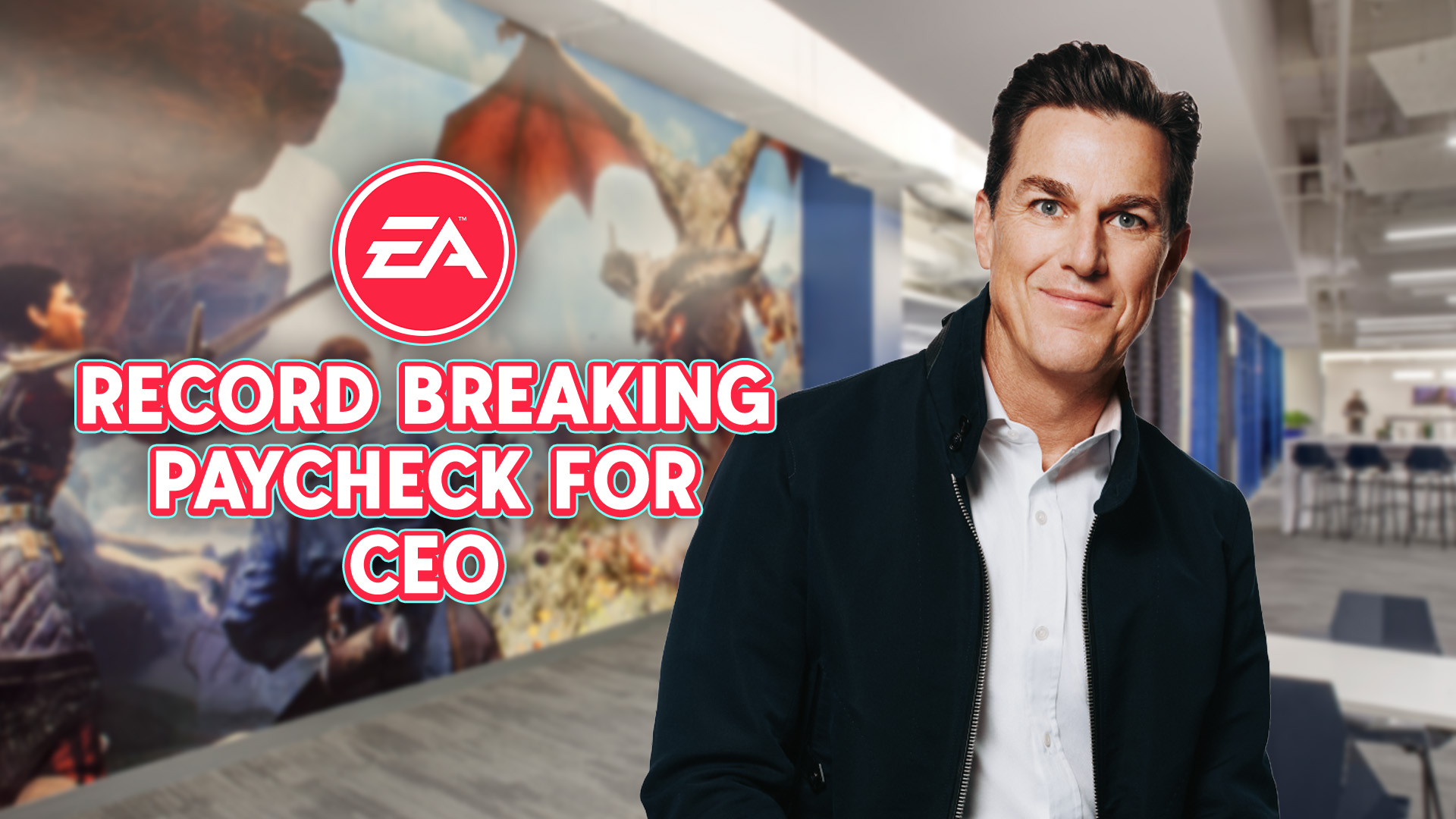
EA's latest proxy filing reveals CEO Andrew Wilson received a $38.6 million compensation package during the same fiscal year that Battlefield 6 became one of the publisher's biggest hits. The disclosure has reignited debate over executive pay as developers affected by layoffs watch the game's success from the sidelines.
At a Glance
- CEO Compensation: $38.6 million (FY2026)
- Company: Electronic Arts
- Game: Battlefield 6
- Key Issue: Executive pay revealed following layoffs impacting Battlefield developers
- Source: EA Fiscal Year 2026 Proxy Statement
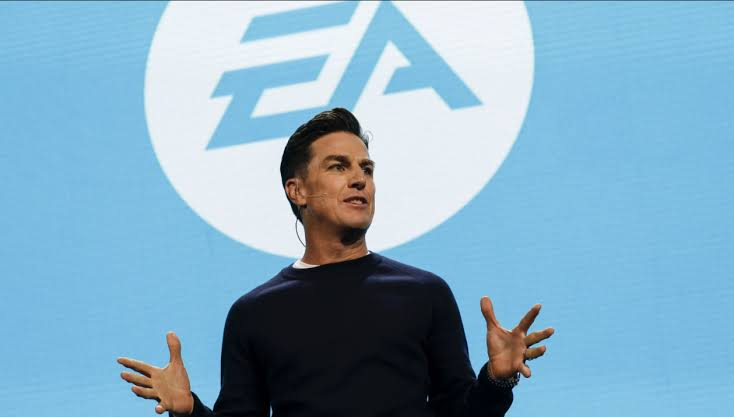
Electronic Arts is facing renewed criticism after disclosing that CEO Andrew Wilson received approximately $38.6 million in total compensation for fiscal year 2026. The figure was published in the company's annual proxy filing and arrives at a time when Battlefield 6 is enjoying a highly successful launch while many of the developers who worked on the franchise are no longer with the company following recent layoffs.
The timing of the disclosure has become a focal point for discussion across the gaming community, with players and industry observers questioning the widening gap between executive compensation and job security within the video game industry.
Battlefield 6 Marks A Major Comeback
After years of rebuilding the Battlefield brand, EA appears to have found the success it was looking for. Battlefield 6 launched to strong commercial performance, quickly climbing sales charts and attracting millions of players across PC and current-generation consoles.
The game's launch represents one of the franchise's strongest debuts in years and has been viewed as a significant win for EA following the mixed reception of previous Battlefield releases.
For investors, the successful launch reinforces confidence in one of the publisher's flagship franchises. For many fans, it signals that Battlefield has finally returned to form.
Executive Compensation Explained
According to EA's proxy statement, Wilson's compensation package consists of multiple components rather than salary alone.
The package includes:
- Base salary
- Annual performance bonuses
- Long-term stock awards
- Additional compensation and benefits
Like many publicly traded companies, EA ties a substantial portion of executive compensation to company performance, shareholder value, and long-term strategic objectives. As a result, stock awards often represent the largest share of an executive's total earnings.
The company said compensation decisions reflect performance against goals established by its Board of Directors, including financial results, franchise growth, and broader business initiatives.
"Most CEO compensation at large public companies comes from equity awards rather than base salary, meaning total annual pay can fluctuate significantly based on company performance."
Layoffs Continue To Cast A Shadow
Despite Battlefield 6's commercial success, EA continued restructuring parts of its development organization during the fiscal year.
Multiple teams supporting Battlefield projects experienced workforce reductions as the publisher reorganized resources and shifted priorities toward future development.
Although layoffs have become increasingly common throughout the gaming industry over the past several years, the timing of EA's latest executive compensation disclosure has intensified criticism.
Many players argue that blockbuster releases should translate into greater stability for the developers responsible for creating them rather than additional job losses.
An Industry-Wide Conversation
EA is far from the only publisher facing questions over executive pay during a period of widespread layoffs.
Across the video game industry, companies have reported healthy financial performance while simultaneously reducing headcount. Publishers have generally cited rising development costs, changing market conditions, restructuring efforts, and long-term efficiency goals as reasons for workforce reductions.
The trend has sparked broader discussions about sustainability within AAA game development and whether the financial rewards generated by successful releases are being shared equitably throughout organizations.
Supporters of current compensation structures argue that executive pay packages are designed to reward long-term corporate performance rather than the success of any single game. Critics, however, contend that the optics become difficult to ignore when thousands of industry jobs disappear while executive compensation continues to grow.
Community Reaction
The disclosure has generated significant discussion across social media and gaming forums.
While some users pointed out that executive compensation packages are largely performance-based and approved by company boards, others questioned why profitable publishers continue reducing development staff despite releasing commercially successful titles.
The conversation reflects a broader concern that has become increasingly common throughout the games industry over the last several years.
Looking Ahead
With Battlefield 6 off to a strong start, EA is expected to continue supporting the title through post-launch updates, seasonal content, and future expansions.
At the same time, the publisher's latest executive compensation disclosure is likely to remain part of the ongoing conversation surrounding layoffs, executive accountability, and the changing economics of AAA game development.
Whether that conversation ultimately influences how major publishers approach restructuring or employee retention remains to be seen. For now, Battlefield 6 stands as both one of EA's biggest recent successes and another example of the growing debate over who benefits most when blockbuster games deliver record results.
What do you think? Should successful AAA launches lead to greater job security for developers, or are executive compensation and workforce decisions separate issues? Share your thoughts in the comments below.
Discussion
Sign in to comment with your PSN.GG identity.
Be the first member to comment on this story.